








 by
by 
Invisalign or Braces? Lifestyle Guide in Annapolis
If you are comparing Invisalign in Annapolis to traditional braces, you are probably asking a practical question: which option will be easiest to live with day to day? The best choice is not only about straightening teeth. It is also about eating, cleaning, appearance at work or school, and how consistent you can be with the routine.
This guide breaks down Invisalign vs. braces through the lens of lifestyle, so you can arrive at a consultation with clearer priorities and better questions.
TL;DR - A Lifestyle Checklist for Choosing
Invisalign and braces can both straighten teeth, but they feel very different in real life. If you want more flexibility and a discreet look, Invisalign may fit. If you want a fixed option that does not depend on daily wear habits, braces may fit better.
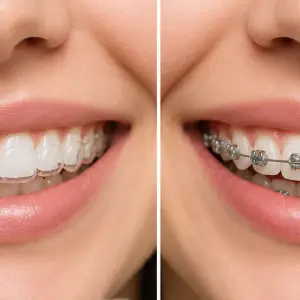
- Appearance: Invisalign is subtle; braces are more visible (ceramic can be less noticeable).
- Eating: Invisalign comes out for meals; braces require more food restrictions.
- Cleaning: Invisalign often makes brushing/flossing simpler; braces require extra time around brackets.
- Consistency: Invisalign works best when worn as directed; braces are on 24/7.
- Next step: Ask what your bite and goals suggest, and what tradeoffs matter most for your routine.
For a quick overview of how clear aligner therapy works, you can also visit our Invisalign treatment page.
In our previous blog, Dental Emergency or Can It Wait? Annapolis Guide, we discussed how to decide when a dental issue needs urgent care. In this article, we focus on planning ahead for orthodontic choices and daily-life fit.
Start With Your Real-Life Priorities
Many patients start by asking, "Which is faster?" or "Which hurts less?" Those matter, but the decision often comes down to routines and preferences you already have. Consider what you care about most:
- How you want your smile to look during treatment (photos, meetings, presentations, school).
- How much time you can devote to cleaning during busy weeks.
- How predictable your schedule is (travel, sports, shift work).
- How comfortable you are with responsibility (remembering aligners, keeping them safe during meals).
Invisalign vs. Braces: Lifestyle Fit, Side by Side
Appearance: "Invisible" vs. Noticeable
Invisalign uses clear aligners that many people do not notice in everyday conversation. Braces are visible, though some patients choose tooth-colored options to reduce the look of metal.
If your main goal is a more polished look while straightening, Invisalign can feel like a natural extension of cosmetic dentistry options rather than a traditional orthodontic appliance.
Comfort and Adjustment: What It Feels Like
Both options can cause pressure as teeth move, especially when treatment changes occur. In general, Invisalign wearers often report smoother surfaces against cheeks and lips, while braces can sometimes irritate soft tissues until you adapt.
Experience note from our team: patients who plan for the first few days (soft foods, a consistent cleaning routine, and a little patience) usually feel more in control, regardless of which option they choose.
Eating and Social Events: Flexibility vs. Food Rules
A major lifestyle advantage of Invisalign is that aligners are removed for meals. That means you can eat what you normally eat, but you will need to brush before putting aligners back in.
With braces, you typically avoid very hard, sticky, or chewy foods to reduce the chance of damaging brackets or wires. For some people, that is a minor inconvenience. For others, it affects everything from game-day snacks to holiday meals.
Cleaning and Oral Hygiene: Time, Tools, and Habits
Invisalign can make daily hygiene feel closer to "normal" because you remove aligners to brush and floss. Braces can be kept clean too, but they often require more technique and time around the hardware.
- If you are already consistent with brushing and flossing: either option can work well.
- If you struggle with flossing: Invisalign may feel simpler, but it still requires strong routines.
- If you want a fixed system: braces remove the need to remember to wear aligners, but cleaning is more involved.
Compliance and Routine: The "Human Factor"
Invisalign requires consistency. If you frequently forget to put aligners back after meals, or you regularly snack throughout the day and do not want to brush often, braces may be an easier lifestyle fit because they are always working.
If you like structure and you are motivated by seeing progress, Invisalign can feel empowering because you can follow the plan and keep your smile looking natural during treatment.
Who Tends to Be a Better Candidate for Each Option?
Only an exam can confirm what will work best for your teeth and bite, but these general tendencies often show up in real-world decision-making:
Invisalign May Fit If You Value:
- A discreet look during treatment
- Flexibility for eating without bracket-related restrictions
- Simple brushing and flossing with aligners removed
- Control and routine (you are comfortable wearing aligners as directed)
Braces May Fit If You Value:
- A fixed system that works around the clock
- Not having to keep track of aligners during meals, school, sports, or travel
- Less reliance on daily compliance (the appliance is always on)
How to Make the Comparison More Personal at Your Consultation
When you meet with our team, the best conversation is the one that connects your goals to the realities of your schedule. Consider bringing these questions:
- Based on my bite, am I a good candidate for clear aligners?
- What daily habits would make Invisalign easier or harder for me?
- What would you recommend if your main priority was hygiene during treatment?
- What should I expect around eating and special events with each option?
- What does the retention plan look like after treatment?
If your goals include straightening plus other smile-enhancement options, a dentist in Annapolis can help you map out a sequence that makes sense for your overall oral health and cosmetic goals.
Frequently Asked Questions About Invisalign in Annapolis
Is Invisalign really better than braces?
Neither is universally better. Invisalign can be a great fit if you want a subtle look and can wear aligners consistently. Braces can be a better fit if you prefer a fixed option that does not rely on remembering to put aligners back in.
How do I know if I am a candidate for Invisalign?
Candidacy depends on your bite, spacing/crowding, and treatment goals. A dental exam is the best way to confirm whether clear aligners are appropriate and what alternatives might work better.
Do I have to stop eating certain foods with braces?
With braces, many patients avoid very hard, sticky, or chewy foods to protect brackets and wires. With Invisalign, aligners are removed for meals, but you will brush before putting them back in.
Which is easier to keep clean: Invisalign or braces?
Many patients find Invisalign easier because you remove aligners to brush and floss normally. Braces can still be kept clean, but they require more time and technique around brackets and wires.
How long does Invisalign take compared to braces?
Treatment length varies based on your teeth and bite. Both options can range from months to longer-term treatment. At a consultation, your dentist can give a timeline estimate based on your specific case.
Will I need a retainer after Invisalign or braces?
Yes. After any orthodontic treatment, retainers help maintain your new smile. Your dentist will recommend a retainer plan and how often to wear it.
Related Reading
Conclusion: Choose the Option You Will Actually Stick With
The best orthodontic choice is the one that fits your day-to-day life. If you want discreet treatment and you can commit to consistent wear and cleaning, Invisalign can be a strong fit. If you prefer a fixed option that does not depend on remembering aligners, braces may be the better match.
Schedule a Consultation
If you are deciding between Invisalign and braces, our team can help you compare options based on your bite, goals, and routines. Call 410-268-9336 to schedule a visit with Jody M. Waddell.
Want to see the full range of care available in our office? Visit our dental services page.
Provider note: This article is educational and not a substitute for individualized dental advice. A dental exam is needed to confirm candidacy and treatment recommendations.
By: Jody M. Waddell
 Cosmetic Dentistry
 Teeth Whitening
 Emergency Dentistry
 Pediatric Dentistry
 Invisalign
 Services