









 by
by 
Bleeding Gums When Brushing? Gum Disease Signs
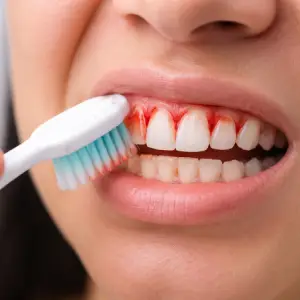
If you notice pink in the sink after brushing, it is easy to assume you just brushed too hard. Sometimes that is true. But frequent bleeding is also one of the earliest warning signs of gum inflammation, and it can be an early clue that gum disease in Annapolis is starting to develop.
This guide breaks down the most common reasons gums bleed, what changes can help at home, and when it is time to schedule a gum check with a dentist in Annapolis.
TL;DR - Bleeding Gums Usually Need a Plan, Not a Guess
Bleeding gums are often caused by plaque-related inflammation near the gumline. The right brushing and flossing habits help, but persistent bleeding needs a dental evaluation so you do not miss early gum disease.
- Common cause: gingivitis from plaque buildup along the gumline.
- Do not stop flossing: consistent gentle flossing often reduces bleeding over time.
- Watch for red flags: swelling, bad breath, recession, or loose teeth.
- Next step: a gum check measures pocket depth and bleeding to confirm what is happening.
- Why it matters: delaying care can allow inflammation to progress and become harder to manage.
Why Gums Bleed When You Brush
Healthy gums should not bleed regularly. Bleeding is usually a sign that the tissue is irritated, inflamed, or being injured. These are the most common causes we see:
- Plaque buildup at the gumline: When plaque sits near the gums, it triggers inflammation. Inflamed gums bleed more easily during brushing or flossing.
- Brushing too hard or using a hard-bristled brush: Aggressive brushing can irritate the gumline and make bleeding more likely.
- Inconsistent flossing: If you rarely floss, the gums between teeth can be tender and bleed when you start again. This is a signal to keep going gently, not to stop.
- Tartar (hardened plaque): Once plaque hardens, brushing cannot remove it. Tartar often sits at the gumline and keeps inflammation going.
- Medical and lifestyle factors: Some medications and conditions can increase bleeding, and tobacco use can mask gum bleeding while still allowing damage.
Bleeding Gums and Gum Disease in Annapolis: What It Might Mean
Many people first notice gum disease because of symptoms, not pain. Early stages often feel mild, which is why bleeding can be easy to dismiss.
Possible Early Stage: Gingivitis
Gingivitis is inflammation of the gums, often caused by plaque. It commonly shows up as bleeding during brushing or flossing, puffiness, and redness along the gumline.
Possible More Advanced Stage: Periodontitis
Periodontitis is a more advanced form of gum disease where the supporting structures around teeth can be affected. Signs can include gum recession, persistent bad breath, sensitivity near the gumline, or teeth that feel like they are shifting.
If you want a deeper overview of stages and treatment options, our periodontal care and gum disease treatment page explains what dentists look for and why early care matters.
Other Early Warning Signs to Watch For
Bleeding is common, but it is rarely the only clue. Keep an eye out for:
- Gums that look red, shiny, or swollen instead of firm and pink.
- Bad breath that returns quickly even after brushing.
- Gum recession (teeth look longer or notched near the gumline).
- Tenderness when chewing or brushing near the gumline.
- Spaces forming between teeth or changes in how teeth fit together.
What to Do at Home Without Making It Worse
Home care does not replace a diagnosis, but it can reduce irritation and help your gums heal if the issue is early inflammation.
Do These Habits Consistently
- Switch to a soft-bristled brush and use gentle pressure along the gumline.
- Brush for two full minutes, focusing on the gumline and back teeth.
- Floss daily or use interdental brushes if recommended to remove plaque between teeth.
- Keep up with professional cleanings so tartar does not stay trapped at the gumline.
Avoid These Common Mistakes
- Do not stop flossing just because you see bleeding. Gentle, consistent flossing is often part of the solution.
- Do not scrub stains away with extra pressure. That can irritate gums and wear enamel.
- Do not rely only on mouthwash to fix bleeding. Rinses can help, but plaque removal is the foundation.
What Happens at a Gum Check So You Know What to Expect
Many patients delay care because they assume a gum evaluation will be uncomfortable or complicated. In most cases, it is straightforward and focused on finding the cause.
- We review symptoms and habits such as bleeding frequency, flossing routine, sensitivity, and smoking history.
- We check the gumline for redness, swelling, and areas that bleed easily.
- We measure gum pocket depth around teeth to see if there are deeper spaces where bacteria can collect.
- We may recommend X-rays to evaluate bone support when clinically needed.
Experience note from our team: we often find that people who think they have "normal brushing bleeding" actually have a few specific areas where plaque and tartar collect repeatedly. Once those areas are identified and cleaned, home care becomes much more effective.
Why Delaying Care Can Make Things Harder
Gum disease often progresses quietly. When inflammation stays around for a long time, it can become more difficult to manage and may require more involved care than an early intervention would.
If you are also dealing with dental pain, swelling, or a sudden dental problem, our emergency dentist page explains what to do next and when to call.
When to Call a Dentist
Schedule an exam if you notice any of the following:
- Bleeding that happens most days, even with gentle brushing
- Bleeding plus swelling, tenderness, or persistent bad breath
- Gums pulling back or teeth looking longer
- Teeth that feel loose, shifting, or more sensitive near the gums
Frequently Asked Questions About Gum Disease in Annapolis
Is it normal for gums to bleed when brushing?
Occasional bleeding can happen if you just started flossing or brushed too hard, but repeated bleeding often points to gum inflammation (gingivitis) and should be evaluated.
What is the difference between gingivitis and periodontitis?
Gingivitis is early gum inflammation that may cause bleeding and tenderness. Periodontitis is a more advanced stage where the supporting bone and tissues can be affected, often with deeper pockets, recession, or loose teeth.
What should I do at home if my gums bleed?
Use a soft-bristled brush, brush gently along the gumline, floss daily, and avoid tobacco. If bleeding persists for more than about a week or you notice swelling, bad breath, or recession, schedule a dental exam.
What happens at a gum disease checkup?
A gum check typically includes reviewing symptoms and medical history, measuring gum pockets around teeth, checking for bleeding and plaque buildup, and taking X-rays if needed. Your dentist will recommend appropriate next steps based on findings.
When should I see a dentist for bleeding gums in Annapolis?
If your gums bleed frequently, bleed easily with gentle brushing, or you notice gum recession, persistent bad breath, or tooth looseness, it is time to schedule an evaluation with a dentist.
Related Reading
- Preventive dentistry
- General dentistry
- Post-op instructions
- 6 Benefits of Veneers in Annapolis That Go Beyond Aesthetics
Conclusion: Treat Bleeding as Useful Information
Bleeding gums are your body telling you something is irritating the tissue, most commonly plaque-related inflammation. A few smart home-care changes can help, but ongoing bleeding deserves a professional evaluation so you know whether you are dealing with gingivitis or something more advanced.
Schedule a Gum Check
If you are concerned about bleeding gums or possible gum disease, our team is here to help you understand what is happening and what your next steps should be. Call 410-268-9336 to schedule an appointment.
Want to learn more about our approach to dental care and the services available? Visit our dental services page.
Provider note: This article is educational and not a substitute for individualized dental advice. If you have sudden swelling, severe pain, fever, or uncontrolled bleeding, seek urgent care.
By: Jody M. Waddell
 Cosmetic Dentistry
 Teeth Whitening
 Emergency Dentistry
 Pediatric Dentistry
 Invisalign
 Services