









 by
by 
What Veneers Can (and Can't) Fix for Your Smile
If you are researching veneers in Annapolis, you probably have a specific goal in mind: fix a chip, close a gap, brighten a tooth that never seems to whiten, or finally feel confident in photos. Veneers can be a great option, but they are not the right solution for every smile concern.
Below is a candid guide to what veneers typically can and cannot fix, what alternatives may be a better match, and how our team plans a natural-looking outcome that fits your face, bite, and lifestyle.
TL;DR - Veneers Work Best When the Foundation Is Healthy
Veneers can create a big cosmetic change quickly, but the best results come from the right case selection and a plan that respects your bite and enamel.
- Veneers can help: chips, small gaps, uneven edges, and stubborn discoloration.
- Veneers cannot: treat active decay, gum disease, or major bite problems on their own.
- Sometimes better options: whitening, bonding, Invisalign, or crowns, depending on the goal.
- Longevity basics: great home care, regular cleanings, and avoiding chip-causing habits matter.
- Best next step: a consultation to confirm candidacy and review shade/shape options.
What Veneers Can Fix (When You Are a Good Candidate)
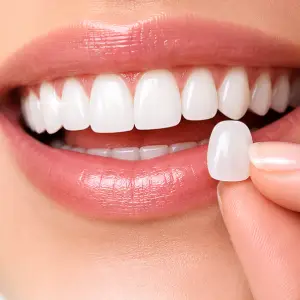
Veneers are thin restorations that cover the front surface of a tooth. They are commonly used in cosmetic dentistry to improve the appearance of teeth that show when you smile.
1) Chipped or Worn Front Teeth
Small chips and worn edges are one of the most common reasons people seek veneers. Veneers can restore a smoother, more even edge so your smile looks balanced.
2) Teeth That Look Uneven in Shape or Size
If one tooth looks shorter, narrower, or slightly misshapen compared to the others, veneers can help create symmetry across the smile line.
3) Small Gaps or "Black Triangles" (In Certain Cases)
Veneers may help close small spaces or soften triangles near the gumline in some patients. The key is making sure the final tooth shape still looks natural and is easy to keep clean.
4) Discoloration That Does Not Respond Well to Whitening
Whitening can be excellent for many patients, but it does not solve every type of stain or color mismatch. Veneers may be considered when discoloration is intrinsic (within the tooth) or when a tooth is darker than its neighbors.
If your primary goal is brightness, our teeth whitening options page can help you compare professional whitening to other cosmetic approaches.
When Veneers Are Not the Best Answer (And What May Work Better)
A good veneers plan starts by being honest about limitations. Veneers are cosmetic, but your teeth still have to function. Here are common situations where we often discuss alternatives.
Active Decay, Old Failing Fillings, or a Tooth That Needs Structural Protection
Veneers cannot "seal away" decay. If a tooth needs stronger coverage, a crown may be more appropriate.
If you are comparing options, our dental crowns information page explains how crowns differ and when added coverage can be helpful.
Moderate to Severe Crookedness or Bite Problems
Veneers do not move teeth. They can camouflage minor alignment issues, but if the position of your teeth affects your bite, long-term comfort, or stability, orthodontics may be the better foundation first.
For patients exploring clear aligners, our Invisalign treatment information page outlines how aligners work and how to care for them.
Gum Disease or Ongoing Gum Inflammation
Healthy gums frame veneers. If gum tissue is inflamed or unstable, cosmetic work can look uneven over time. Addressing gum health first helps results look better and last longer.
Our periodontal care and gum disease treatment page covers common signs to watch for and why early care matters.
Setting Expectations: What "Natural-Looking" Veneers Really Means
Most patients do not want a "too perfect" look. They want a smile that fits their face. Planning typically focuses on three details:
- Shade: We aim for a color that looks bright, but believable, especially next to your natural teeth.
- Shape: The outline and edge shape affect whether the smile looks soft, youthful, or more defined.
- Surface texture and translucency: Subtle details help veneers reflect light like natural enamel.
Experience note from our team: patients are usually happiest when we choose a shade that matches their complexion and lighting in daily life, not just the brightest shade on a guide.
How Long Veneers Can Last (And What Shortens Their Lifespan)
Veneers are not "set it and forget it." Like any dental restoration, they require maintenance and good habits.
Habits That Help Veneers Last
- Brush twice daily and floss carefully at the gumline.
- Keep regular exams and cleanings.
- Use a nightguard if you clench or grind (recommended case by case).
Habits That Commonly Cause Chipping or Debonding
- Biting ice, pens, fingernails, or other hard objects.
- Using teeth as tools (opening packaging, tearing tags).
- Skipping checkups until something feels "off."
How to Know If You Are a Good Candidate for Veneers
A veneers consultation is partly cosmetic and partly diagnostic. In general, good candidates typically have:
- Healthy gums and stable oral hygiene habits
- Enough enamel for strong bonding (evaluated during your exam)
- Cosmetic goals that veneers can realistically accomplish
- A bite that will not overload the veneer edges
Veneers are one tool within a wider set of cosmetic dentistry options. If veneers are not ideal for your situation, a good cosmetic plan will still give you a clear, step-by-step path to your goal.
If you want to review the veneer basics (including preparation and what to do afterward), you can also visit our dental veneers service page.
Frequently Asked Questions About Veneers in Annapolis
What problems do veneers fix best?
Veneers are commonly used to improve the appearance of chipped edges, small gaps, uneven shape, and teeth with stains that do not respond well to whitening. They can also help create a more uniform smile line when planned carefully.
Can veneers straighten crooked teeth instead of Invisalign?
Veneers may camouflage minor crowding or slight rotations, but they do not move teeth. If the position issue affects your bite or requires significant movement, Invisalign or another orthodontic approach is often a better option.
Do I need to whiten my teeth before veneers?
Often, yes, especially if you are only placing veneers on some teeth. Whitening first helps the natural teeth reach your desired shade so the veneers can be matched for a more seamless result.
Are crowns better than veneers for broken teeth?
It depends on how much tooth structure is missing and whether the tooth needs added strength. Crowns cover more of the tooth and can be the better choice when a tooth is heavily damaged, has a large filling, or needs stronger protection.
How do I care for veneers long-term?
Brush and floss daily, keep regular dental cleanings, and avoid habits that can chip porcelain, such as biting ice or using teeth as tools. If you clench or grind, ask your dentist whether a nightguard is recommended.
Related Reading
Conclusion: The Best Veneers Start With the Right Plan
Veneers can be an excellent way to refine shape, color, and symmetry, but they are not a cure-all. The best cosmetic results come from matching the right treatment to your specific concerns, protecting your bite, and keeping gums healthy.
Schedule a Veneers Consultation
If you are considering veneers and want clear guidance on candidacy and realistic outcomes, call 410-268-9336 to schedule a consultation.
By: Jody M. Waddell
 Cosmetic Dentistry
 Teeth Whitening
 Emergency Dentistry
 Pediatric Dentistry
 Invisalign
 Services