









 by
by 
Dental Emergency or Not? A Quick Triage Guide
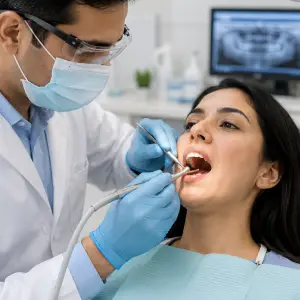
Dental problems have a way of getting worse at the worst possible time. If you are searching for an Emergency Dentist Annapolis residents can trust, you are probably not looking for a long lecture. You want to know: is this urgent, what should I do right now, and where should I go next?
This guide is designed to help you make a safer, faster decision. If you are unsure, it is usually better to call a dental emergency office for guidance than to wait and hope it settles down.
TL;DR - How to Tell If It Is a Dental Emergency
The biggest red flags are swelling, uncontrolled bleeding, trauma, and pain that is severe or worsening. Some problems can wait 1 to 2 days, but infections and injuries should be treated promptly to protect your health and your tooth.
- Go now (ER/urgent care): trouble breathing/swallowing, fast-spreading swelling, uncontrolled bleeding, serious injury.
- Call an emergency dentist today: swelling, suspected abscess, knocked-out tooth, broken tooth with pain, severe toothache.
- Usually can wait 24 to 72 hours: mild sensitivity, small chip with no pain, lost filling/crown with minimal discomfort (still schedule soon).
- First 15 minutes matter: cold compress, gentle rinse, protect the tooth, do not use heat on swelling.
Two Quick Safety Rules Before You Decide
1) If You Have Breathing or Swallowing Trouble, Treat It as Medical Emergency
Facial or neck swelling can sometimes spread quickly. If you have trouble breathing or swallowing, feel your throat tightening, or swelling is rapidly worsening, seek urgent medical care immediately.
2) Uncontrolled Bleeding or Major Injury Needs Immediate Care
After an injury, bleeding that will not slow down with firm pressure needs urgent evaluation. The ER can address bleeding and injuries, and a dentist can help manage tooth and gum damage.
What Counts as a Dental Emergency (Symptom-Based Checklist)
Many people hesitate because they do not want to overreact. In our experience, the cases that tend to become bigger problems are the ones involving infection (swelling), trauma (cracks/knockouts), or pain that is escalating.
Call an Emergency Dentist Today If You Have Any of These
- Swelling in the gums, face, or jaw (especially if it is growing).
- Severe toothache that does not respond to typical at-home measures.
- Bad taste, drainage, or a pimple-like bump on the gums (possible abscess).
- Broken or cracked tooth with pain, sensitivity, or sharp edges.
- Knocked-out (avulsed) tooth or tooth that is loose after trauma.
- Bleeding gums that is heavy or does not stop with pressure.
Often Urgent (Schedule Promptly) Even If Pain Is Mild
- Lost filling or a crown that came off (the tooth underneath can be fragile).
- Swollen gum around a tooth without severe pain yet.
- Jaw pain with biting that is new and persistent.
- Broken retainer or aligner discomfort that is cutting cheeks or gums.
What to Do in the First 15 Minutes (And What to Avoid)
Severe Toothache
- Rinse gently with warm salt water to clear debris.
- Use a cold compress on the outside of the cheek if swelling is present.
- Avoid chewing on the painful side.
- Avoid: placing aspirin directly on the gums (it can irritate tissues).
Swelling or Suspected Abscess
- Use a cold compress externally.
- Keep your head elevated.
- Avoid: heat on the face (it may worsen swelling).
- Avoid: trying to pop or drain the area yourself.
Knocked-Out Tooth
- Pick it up by the crown, not the root.
- Gently rinse if dirty (do not scrub).
- Try to re-seat it if you can do so safely.
- If you cannot, store it in milk or saliva and seek care immediately.
Chipped, Cracked, or Broken Tooth
- Rinse gently and save any pieces if you can.
- If the edge is sharp, cover it to protect your cheek or tongue.
- Use a cold compress if there is swelling.
- Avoid: chewing hard foods on that side.
Crown or Filling Fell Out
- Keep the crown if you still have it and bring it with you.
- Avoid sticky or hard foods on that side.
- Schedule promptly to prevent the tooth from breaking or shifting.
When to Go to Urgent Care or the ER (Not Just a Dentist)
A dentist is the right starting point for most tooth and gum emergencies. However, go to urgent care or the ER if you have any of the following:
- Trouble breathing or swallowing
- Rapidly spreading swelling in the face, jaw, or neck
- Uncontrolled bleeding
- High fever, severe weakness, or signs of dehydration
- Major facial trauma or suspected broken jaw
How an Emergency Dentist Can Help (What We Typically Evaluate)
The goal of emergency care is to get you comfortable, identify the cause, and protect the tooth and surrounding tissues from further damage. Depending on what is going on, an emergency visit may involve an exam, dental X-rays, and a focused treatment plan.
If you need ongoing care beyond the emergency, our general dentistry team can help you plan next steps, including restoring function and reducing the risk of the same issue coming back.
If the emergency is related to gum infection or inflammation, you can also review our information on periodontal care and gum disease treatment.
Local Tip: Do Not Wait for the Weekend to Call
If pain is building or swelling is starting, calling earlier can make it easier to treat. Even when a problem feels manageable in the morning, symptoms can escalate by evening. If you are looking for a dentist in Annapolis who can help you sort out whether it is urgent, it is reasonable to call and describe your symptoms.
For additional practice details and ways to reach us, visit our contact page.
Frequently Asked Questions About Dental Emergency in Annapolis
Is a toothache always a dental emergency?
Not always. Mild, short-lived sensitivity can sometimes wait for a regular visit, but severe pain, pain that wakes you up, swelling, fever, or a bad taste/drainage can signal infection and should be evaluated promptly.
What should I do first if a tooth gets knocked out?
Handle the tooth by the crown (not the root), gently rinse if dirty, and try to place it back in the socket if you can. If that is not possible, store it in milk or saliva and contact an emergency dentist right away.
When should I go to urgent care or the ER for dental problems?
Seek urgent medical care if you have trouble breathing or swallowing, rapid or spreading facial/neck swelling, uncontrolled bleeding, high fever, or signs of serious injury. The ER can stabilize medical issues, and a dentist can treat the tooth source.
What can I do at home for pain while I wait to be seen?
Use a cold compress for swelling, keep your head elevated, rinse gently with warm salt water, and follow over-the-counter medication labels. Avoid placing aspirin on gums and avoid heat if swelling is present.
If my crown or filling falls out, is it an emergency?
It can be urgent, especially if the tooth is painful, sharp, or exposed. Protect the area, avoid chewing on that side, and schedule a prompt visit so the tooth does not fracture or decay further.
Related Reading
- Emergency dentistry: what to expect when you need urgent care
- Tooth extraction treatment and aftercare tips
- Post-op instructions for common dental procedures
- Dentistry for anxious patients and comfort options
Conclusion: If You Are Unsure, It Is Worth Calling
Dental pain is not just inconvenient, it is often your body signaling that something needs attention. The safest approach is to treat swelling, trauma, and severe pain as time-sensitive. When you reach out early, you usually have more options to protect the tooth and get comfortable sooner.
Call Now for Help
If you think you may be having a dental emergency, call our office to discuss your symptoms and next steps: 410-268-9336.
Your dentist, Jody M. Waddell, and our team are here to help you make a clear plan based on what you are experiencing.
 Cosmetic Dentistry
 Teeth Whitening
 Emergency Dentistry
 Pediatric Dentistry
 Invisalign
 Services