








|
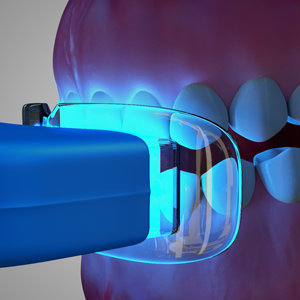
Our state-of-the-art facility is equipped with the most advanced technology available. We offer intra-oral cameras, diagnostic lasers, and Zoom!™ -- the latest tooth whitening technique. Patients may recognize
the brand name Zoom!™ as the whitening procedure preferred by cosmetic dentists on ABC’s hit television show
Extreme Makeover.
Intra Oral Camera
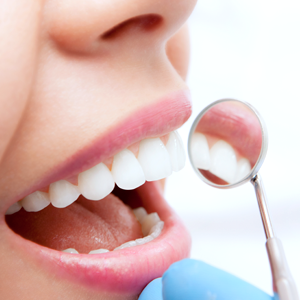
This wonderful new technology allows you to relax in your chair while simultaneously observing a real-time pictures of the inside of your mouth magnified beyond normal size on an adjacent computer monitor! Not only does this make it simple to see and understand what the doctor is telling you, but it makes it simple for us to keep incredibly accurate records from one visit to the next.
Close
Sterilization and Patient Safety
Our office uses state of the art sterilization to ensure patient safety.
Sterilization and disinfection are the basic steps in instrument processing and surface asepsis.
Sterilization refers to the use of a physical or chemical procedure to destroy all forms of microorganisms,
including the highly resistant spores.
We use Rapid Steam Autoclave at 275º F(35psi), for 15-20 minutes
First, the instruments are prepared for the sterilization process. Patient debris and fluids are
removed by placing the instruments in 3.2% glutaraldehyde for 40 minutes .Following this pre-disinfection step the
instruments are transferred to an ultrasonic cleaner for another 15 minutes .Then the instruments are rinsed, dried,
placed in self sealing sterilization pouches and sterilized in the autoclave.
Instruments which can not be heat sterilized, are immersed in 2% glutaraldehyde for 10 hours to cold sterilize.
We use Biological, Chemical and Mechanical indicators to monitor our sterilization process.
Using bacterial spores to monitor the sterilization process is referred to as biologic monitoring (or spore-testing),
and the bacterial spores used for monitoring the sterilization process are referred to as biologic indicators (BIs).
Of the three methods, biologic monitoring is regarded as the most valid for monitoring the sterilization process,
for it uses live, highly resistant bacterial spores.
We biologically monitor our sterilizer once a week to ensure complete sterilization using spore strips and keep accurate records for our monitoring.
These strips are enclosed in a glassine envelope and processed through the sterilizer.
They are then sent to our spore testing center where they are tested for live spores.
Chemical monitoring involves using chemical indicators (CIs) that change color or form when exposed to specific high
temperatures or to the sterilizing conditions within a sterilizer. This is referred to as chemical monitoring (or process monitoring).
We use sterilization pouches that have special marking that change color when subjected to sterilizing temperatures.
Mechanical monitoring involves observing and recording the physical aspects (e.g., temperature, pressure, or time) of
the cycle when the sterilizer is being operated. Our Sterilizer is serviced regularly to ensure proper functioning.
Close
Waterlase Dental Laser
- What is the Waterlase Dental Laser and how does it work?
The Waterlase Dental Laser is a revolutionary tool for dentists that uses a unique combination of laser energy and water, a process called HydroPhotonics, to perform many traditional dental procedures with fewer shots and less anesthesia. Simply put, it is a more relaxing dental experience.
Close
- What is HydroPhotonics?
HydroPhotonics describes an interaction between laser and water that creates a fast and unique cutting action without heat, vibration, or pressure.
Close
- How does the Waterlase Dental Laser feel?
Heat, vibration, and pressure are the primary causes of pain associated with the traditional dental drill. Since the Waterlase Dental Laser does not generate heat, vibration, or pressure, many dental procedures can be performed with fewer shots, less anesthesia, and fewer numb lips.
Close
- What are the benefits of the Waterlase Dental Laser on soft tissue (gum) procedures?
Due to its safe and gentle cutting action, the Waterlase Dental Laser performs many soft tissue (gum) procedures with less bleeding, less post-operative pain, less swelling, and a reduced need for pain medication in many cases.
Close
- What are the benefits of the Waterlase Dental Laser on hard tissue procedures?
The Waterlase Dental Laser is able to remove tooth enamel decay (the hardest substance in the body) and bone precisely while leaving the surrounding areas unaffected. This conserves and allows you to keep more of the healthy tooth structure. In addition, high-speed drills can cause hairline cracks and fractures in the teeth that eventually lead to future dental problems. The Waterlase Dental Laser reduces damage to healthy portions of the tooth and minimizes trauma. In the case of cavity filling treatment, the Waterlase Dental Laser can increase bond strength of tooth-colored restorations, resulting in longer lasting fillings.
Close
- Do treatments with the Waterlase Dental Laser take more time?
Since you often do not need shots or anesthesia, the Waterlase Dental Laser can perform cavity preps in all areas of the mouth in just one visit.
Close
- What types of procedures can the Waterlase Dental Laser perform?
The Waterlase Dental Laser is extremely versatile. It can be used for a wide range of hard and soft tissue procedures. From decay removal, cavity preperation, root canals, smile design, gum and bone surgical procedures and many others.
Close
For a complete list of procedures and treatments, log onto www.LaserDentistry.com
|
|